
In the ever-evolving landscape of creative media, the journey from traditional to digital has been nothing short of revolutionary. Over the past few decades, the way we create, consume, and interact with media has undergone a seismic shift, driven by technological advancements and changing consumer behaviors. From the tactile experience of print to the immersive world of digital platforms, creative media has transformed into a dynamic, interactive, and boundary-pushing force. Let’s explore this fascinating evolution.
The Era of Traditional Media: Print and Broadcast
Before the digital age, creative media was dominated by print and broadcast platforms. These traditional forms of media were the primary means of communication, entertainment, and advertising for decades.
- Print Media: Newspapers, magazines, books, and posters were the cornerstone of creative expression. Print media offered a tangible, lasting connection with audiences. The artistry of typography, layout design, and photography flourished in this era, with iconic publications like Vogue, National Geographic, and The New York Times setting the standard for quality and creativity
- Broadcast Media: Radio and television brought stories to life through sound and visuals. The golden age of radio in the early 20th century gave way to the rise of television, which became the dominant medium for entertainment and news. Shows captivated audiences, while commercials became a powerful tool for brands to reach millions.
Traditional media was largely one-way communication—creators produced content, and audiences consumed it. While this model was effective, it lacked the interactivity and personalization that modern audiences crave.
The Digital Revolution: A New Era of Creativity

The advent of the internet in the late 20th century marked the beginning of a new era for creative media. Digital technology democratized content creation, enabling anyone with a computer or smartphone to become a creator. This shift has fundamentally changed how media is produced, distributed, and consumed.
- The Rise of Digital Platforms: Websites, blogs, and social media platforms like Facebook, Instagram, and YouTube have given creators a global stage. Content is no longer confined to physical formats or broadcast schedules—it’s accessible anytime, anywhere. This has led to an explosion of creativity, with influencers, vloggers, and digital artists redefining what media can be
- Interactive and Immersive Experience: Digital media has introduced interactivity, allowing audiences to engage with content in ways that were unimaginable in the traditional era. Video games, virtual reality (VR), and augmented reality (AR) have blurred the lines between reality and fiction, creating immersive experiences that captivate users. For example, platforms like TikTok and Snapchat use AR filters to enhance user-generated content, while VR headsets transport users to entirely new worlds.
- Personalization and Data Driven Creativity: Digital platforms leverage data analytics to deliver personalized content to users. Streaming services like Netflix and Spotify use algorithms to recommend shows, movies, and music based on individual preferences. This data-driven approach has not only improved user experiences but also empowered creators to tailor their work to specific audiences.
The Convergence of Traditional and Digital Media
While digital media has taken center stage, traditional media hasn’t disappeared—it has adapted. Many print and broadcast outlets have embraced digital transformation to stay relevant in a rapidly changing landscape:
- Print Goes Digital: Newspapers and magazines now offer digital editions, often enhanced with multimedia elements like videos and interactive graphics. Publications like The New Yorker and Wired have successfully transitioned to digital platforms while maintaining their editorial excellence.
- Broadcast Meets Streaming: Television networks have expanded their reach through streaming services like Hulu, Disney+, and HBO Max. Live TV has also found a new home on platforms like YouTube and Twitch, where creators can broadcast in real-time and interact with viewers through chat.
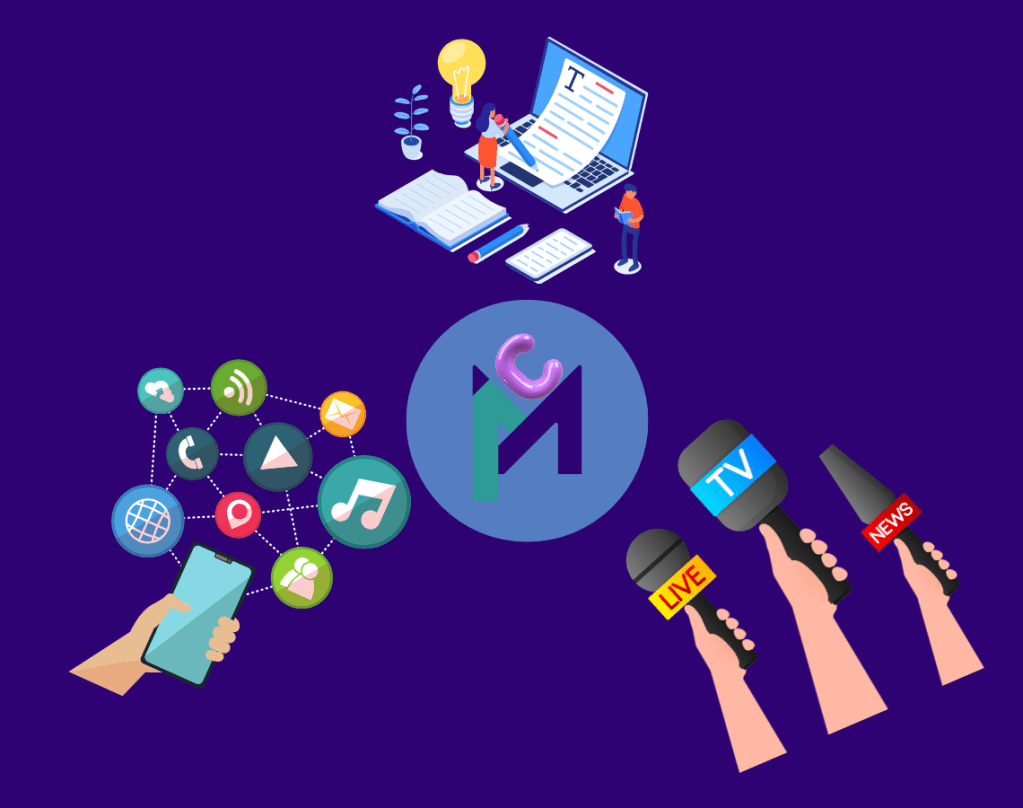
This convergence has created a hybrid media ecosystem where traditional and digital formats coexist, each complementing the other’s strengths.
Conclusion
The evolution of creative media from traditional to digital has been a journey of innovation, adaptation, and boundless creativity. While the tools and platforms may change, the essence of creative media remains the same: to inform, entertain, and inspire. As we look to the future, one thing is certain—creative media will continue to evolve, pushing the boundaries of what’s possible and shaping the way we experience the world.
Whether you’re a creator, a consumer, or simply an observer, there’s never been a more exciting time to be part of this dynamic landscape. The only question is: what’s next?
 ACM
ACM 